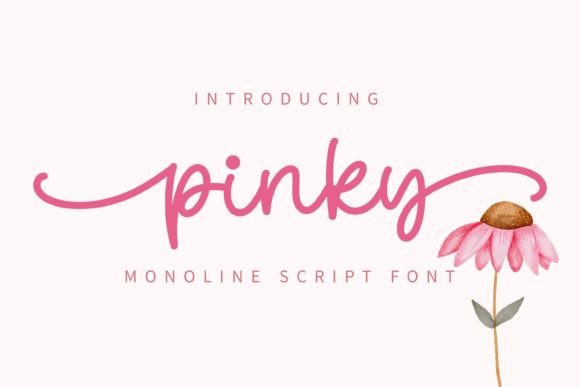
Pinky: A Handwritten Font for Modern Creators
There's a specific feeling you get when a design element just clicks. It’s the moment a project stops feeling like a collection of parts and starts to breathe with a unified personality. For many creators, finding that perfect font is the key. Pinky is a handwritten font designed to evoke that feeling. It’s not just a collection of letters; it’s a style, a mood, and a versatile tool for anyone looking to inject a genuine, human touch into their work. Its sweet, flowing character strikes a balance between playful charm and refined elegance, making it a surprisingly adaptable asset in a designer's toolkit.
The Visual Character of Pinky: Sweet, Versatile, and Approachable
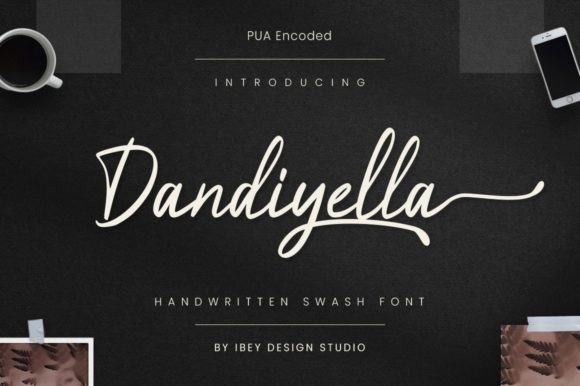
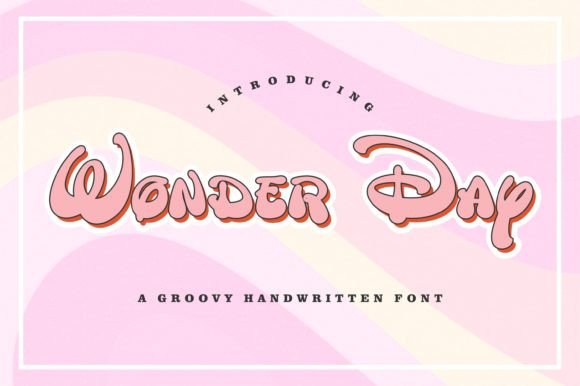
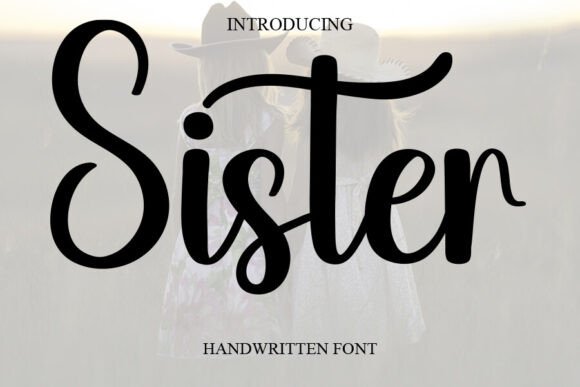
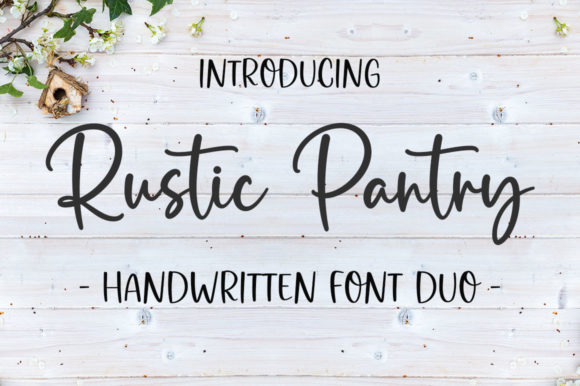
At its core, Pinky is a script font that feels authentically hand-lettered. The strokes have a natural, slightly varied weight that mimics the pressure of a real pen or brush, avoiding the sterile uniformity of many digital fonts. The letterforms are connected with smooth, flowing ligatures, creating a seamless rhythm that’s easy on the eyes. This isn't a wild, illegible scrawl; it's a carefully crafted typeface where each character maintains its clarity while contributing to a cohesive whole. The overall personality is one of warmth and approachability. It feels personal, like a note from a friend, yet it possesses a sophistication that elevates it beyond casual doodles. This duality is its greatest strength. It can feel whimsical for a children's party invitation or polished enough for a boutique brand's logo.
As a premium font, Pinky’s value is significantly enhanced by its PUA encoding. This technical feature is a practical game-changer for users of all skill levels. It means every stylistic alternate, swash, and glyph is easily accessible directly from your keyboard or character map, without needing advanced software knowledge. This opens up a world of customization, allowing you to create unique variations of words and add decorative flourishes to make your designs truly one-of-a-kind.
Where Pinky Shines: From Wedding Invitations to Brand Identities
The true test of any creative font is its application. Pinky proves its worth across a remarkable range of projects, seamlessly blending into different contexts while leaving its distinctive mark.
- Wedding and Event Stationery: This is a natural home for Pinky. Its elegant script is perfect for wedding invitations, save-the-dates, RSVP cards, and menu designs. It sets a romantic and personal tone immediately.
- Logo Design and Brand Identity: For small businesses, boutiques, cafes, photographers, and lifestyle brands, Pinky can form the cornerstone of a brand identity. It communicates friendliness, craftsmanship, and attention to detail. Paired with a clean sans serif font for body text, it creates a balanced and professional yet personal brand voice.
- Digital and Social Media Graphics: In the fast-scrolling world of social media, a handwritten font like Pinky stops the thumb. It’s excellent for Instagram quotes, Facebook headers, Pinterest pins, and YouTube thumbnails. It adds an authentic, human element that builds connection with an audience.
- Packaging and Product Design: Imagine Pinky on the label of a artisanal jam, a candle, or a line of beauty products. It instantly conveys a handmade, high-quality feel, helping products stand out on the shelf and telling a story of care and creativity.
- Editorial and Blog Design: Bloggers and publishers can use Pinky for article titles, pull quotes, or section headings to break up text and add visual interest. It works beautifully in cookbooks, lifestyle magazines, and web design for headers that need a personal touch.
Making it Work: Practical Guidance for Using Pinky Effectively
Choosing the right font is only half the battle; using it well is what separates good design from great design. Here’s how to approach working with a font like Pinky.
Evaluating Fit and Testing Readability
Before committing, consider your project’s voice. Is it trying to be formal, playful, rustic, or luxurious? Pinky leans toward playful elegance and rustic charm. It’s not suited for legal documents or dense academic papers. For any project, always test readability at the intended size. A beautiful script can become a tangled mess at 10 points in a long paragraph. Use Pinky for headlines, logos, and short bursts of text where its personality can be appreciated without sacrificing clarity.
Mastering Font Pairing
A font pairing is a conversation between typefaces. Pinky, as a script font, needs a partner that complements without competing. The classic rule of contrast applies here: pair a script with a non-script. A sturdy, neutral serif font like Georgia or a clean sans serif font like Montserrat or Open Sans provides a stable, readable foundation for body copy, allowing Pinky’s flair to shine in headlines. Avoid pairing it with other ornate or overly stylized fonts, which can create visual chaos.
Understanding the Full Toolkit
When you invest in a commercial font like Pinky, you’re getting more than the basic alphabet. Take time to explore the full character set. Look for:
- Stylistic Alternates: Different versions of key letters (like a, g, or e) that can change the font’s look.
- Ligatures: Special combined characters for common letter pairs (like "th" or "ll") that improve flow.
- Swashes and Ornaments: Decorative tails and flourishes that can be added to the beginning or end of words for extra emphasis.
Licensing for Commercial Use
Always verify the licensing. Pinky is designed as a commercial font, meaning it’s licensed for both personal and business projects—from client work to products for sale. Ensure you understand the terms, especially if you plan to use it in a logo for a client or embed it in a digital product. This due diligence protects you and respects the work of the type designer.
In the end, a typeface like Pinky is more than just design assets; it’s a conduit for tone and emotion. By understanding its character and applying it thoughtfully, you can leverage its sweet, handwritten charm to create work that feels both beautiful and genuinely human. It’s a tool that helps bridge the gap between a digital product and a personal connection, one carefully crafted letter at a time.